
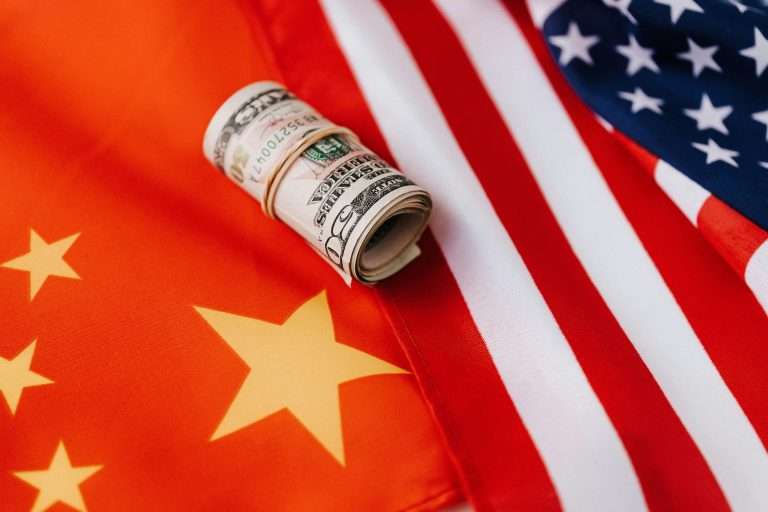
Recently, China Labor Watch’s Executive Director, Li Qiang, authored a piece, “Don’t Be Fooled: The China-US Trade War is Here to Stay” on the Diplomat. The opinion piece points out that despite a pause in the tariffs, the structural conflict between the U.S. and China is far from over. This article argues that bipartisan political support in Washington and China’s deep manufacturing resilience have made the trade war effectively permanent—and that negotiations are unlikely to break the deadlock.
Key Takeaways:
Tariffs are not impacting China’s dominance. China’s manufacturing edge is built on scale, automation, and cost efficiency. U.S. tariffs have failed to disrupt this, and instead have caused inflationary pressures in the country.
China is adapting while diversifying its trade. China has strategically reduced its export dependence on the U.S. and rerouted trade via countries like Vietnam and Cambodia, thus the U.S’ tariffs have not made its intended impacts.
Global supply chains rely heavily on China. Even with “China+1” policies, which were to avoid overreliance on investment in China, countries such as Japan and the EU continue to depend heavily on Chinese inputs. Tariffs have affected alliances but have not realigned manufacturing.
U.S. inflation and labor shortages undermine reindustrialization. The U.S. lacks the labor and infrastructure to swiftly restore domestic manufacturing due to rising CPI and labor scarcity in key states like Wisconsin and Pennsylvania.
China’s strategic sectors are growing stronger. Beijing has doubled down on EVs, robotics, and critical minerals. Tariffs have not affected these sectors; instead, they have accelerated China’s pivot to high-value industries.
The article delivers a sobering message: the U.S.-China trade war is not a temporary conflict—it is a structural struggle that will define global industry and geopolitics for years to come.
To read the full article, please see: “Don’t Be Fooled: The China-US Trade War is Here to Stay“.
Photo By Kaboompics.com