China Labor Watch’s Executive Director, Li Qiang, recently penned an article for the Diplomat: “Tariffs Put Extra Pressure on Workers in Both China and the U.S.”. In the piece, he argues that the trade war is raising prices in the U.S. and in turn, impacting American workers; at the same time, workers in China have been rushing to fulfill orders during the 90-day pause in tariffs, putting in significantly longer hours in overtime. The trade war has not ultimately led to manufacturing reshoring nor has China made any meaningful concessions.
Key Takeaways:
Tariffs Increase Costs for American Families: Tariffs on Chinese goods have led to increased consumer prices in the U.S., which has disproportionately impacted middle- and low-income households that rely heavily on essential goods. This hidden cost of the trade war is felt directly in everyday purchases.
Tariffs Hurt Workers in Both Countries. While intended to revive U.S. manufacturing, instead, tariffs have increased financial pressure for American workers and have led to worsened labor conditions for Chinese workers. In both countries, workers face long hours, low job security, and suppressed wages.
Global Trade Benefits Corporations, Not Workers. Large companies like Apple continue instead of bringing manufacturing back to the U.S., have relocated supply chains to countries with low labor costs, exploiting weak labor protections. This undercuts both American jobs and global labor standards.
A Fairer Trade Strategy Is Needed. The U.S. should lower tariffs on essential, low-tech goods to reduce the burden on working families, while increasing tariffs on high-tech, non-essential items to encourage more domestic production and investment in advanced industries.
Labor Standards Must Be Central to Trade Policy. To revitalize its manufacturing sector and improve the lives of ordinary Americans, requires a long term solution that centers on raising global labor protections and challenging the profit-driven system that rewards exploitative practices. Trade talks with China should prioritize workers’ rights to create a fairer, more sustainable global economy.
To read the full article, please see: “Tariffs Put Extra Pressure on Workers in Both China and the US”.
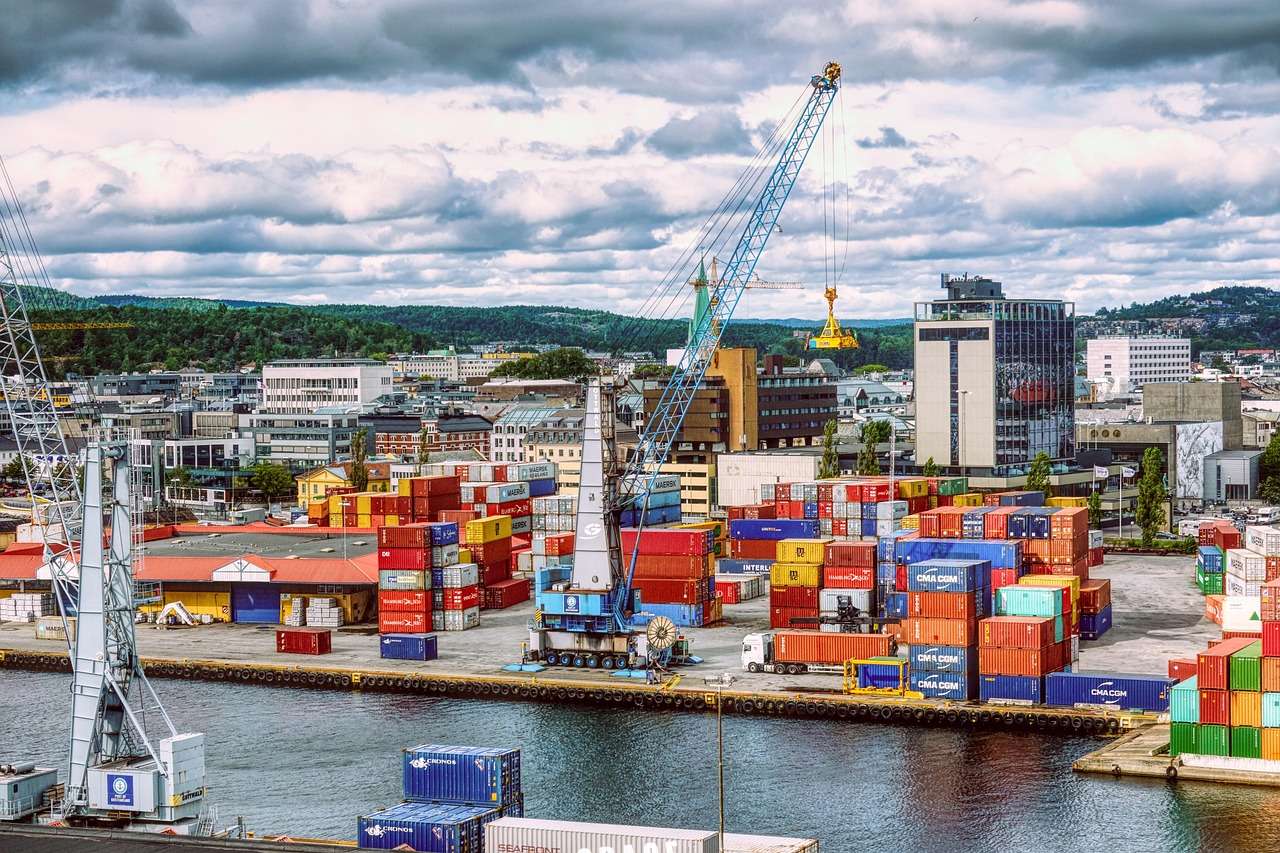
Image by Thomas Wolter from Pixabay