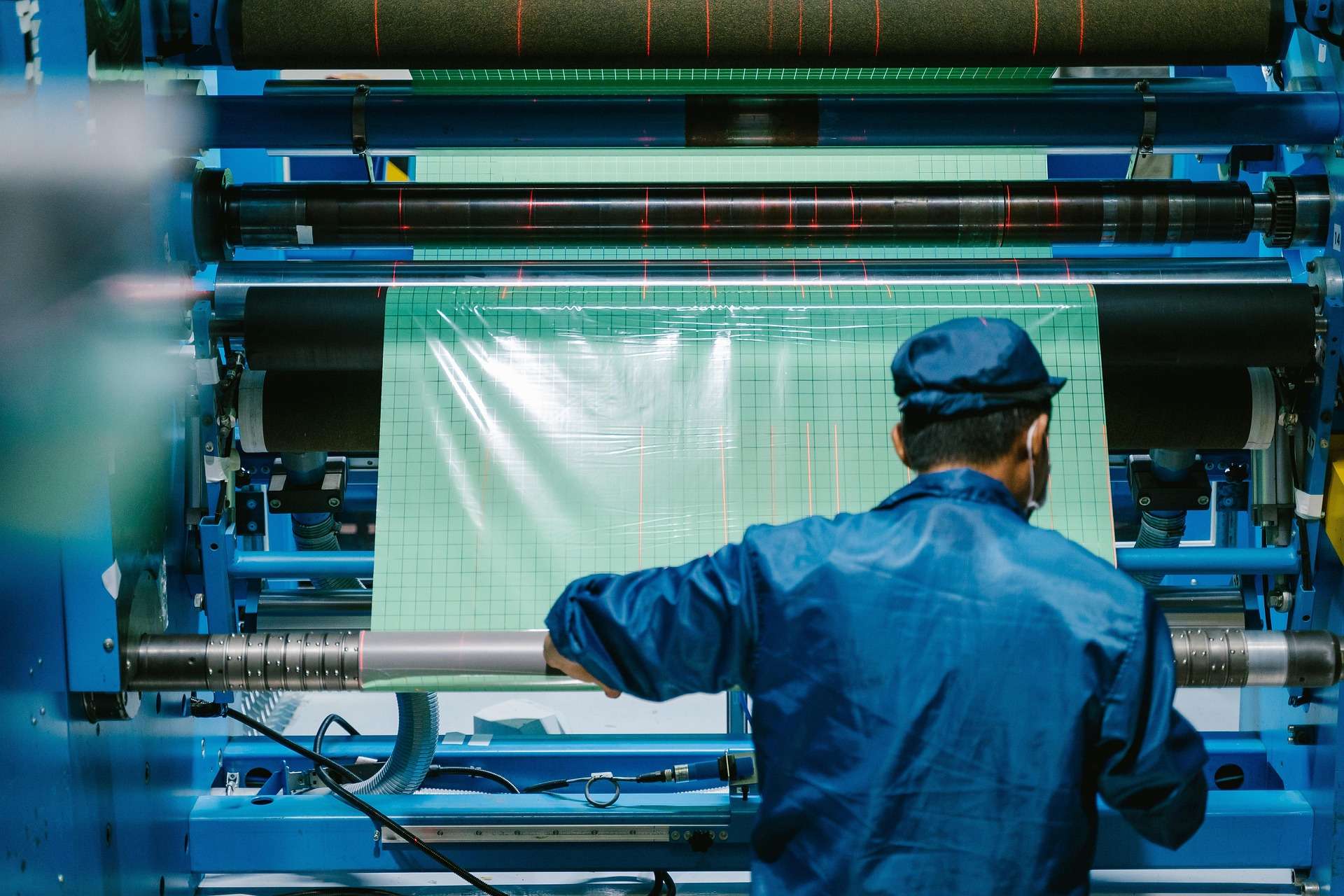
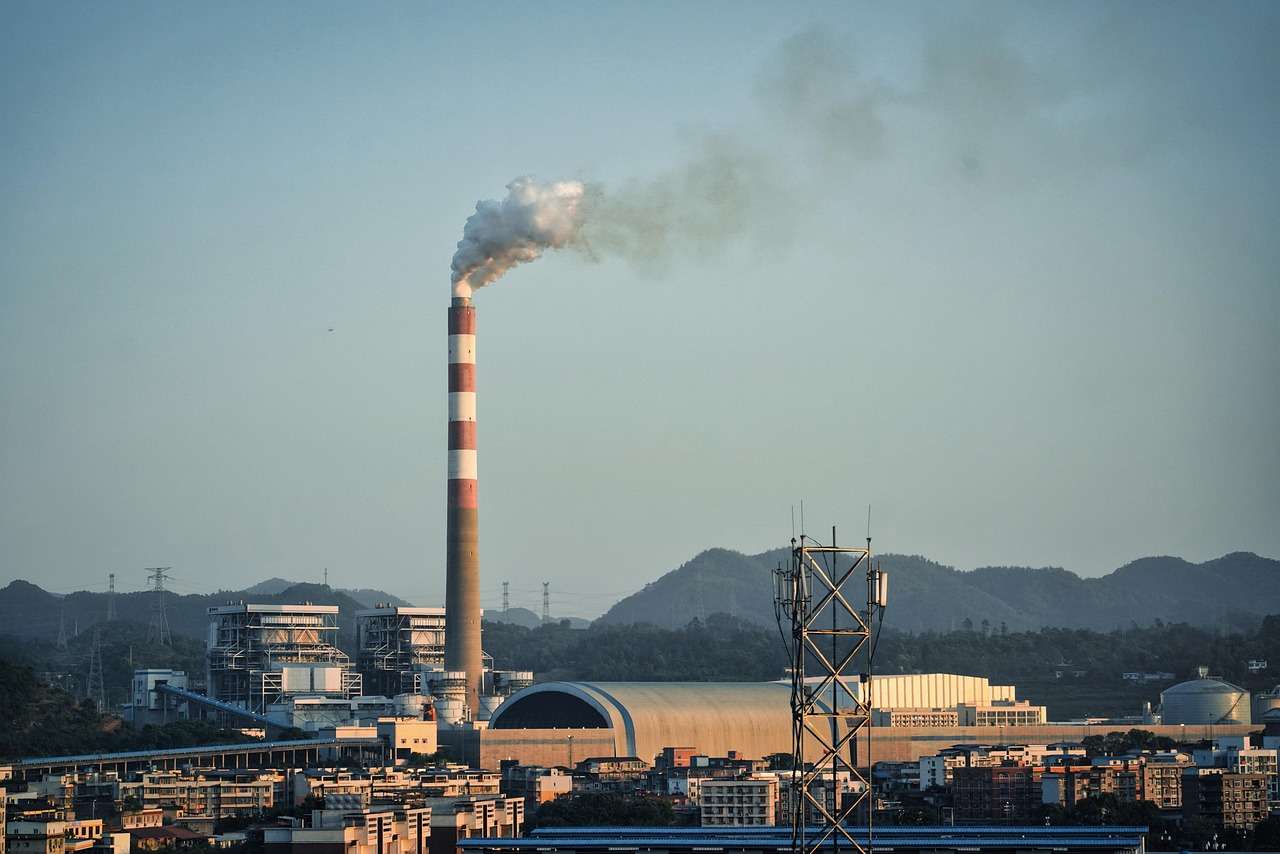
On November 26, China Labor Watch’s Executive Director, Li Qiang, published an Op-ed in the Diplomat titled “China’s Low Rights Model Goes Global”. The article points out that China’s manufacturing dominance relies on a “low rights” model that suppresses labor, environmental, and community protections to cut costs and accelerate production. This strategy is now being exported globally through the Belt and Road Initiative. Without coordinated civil society oversight and stronger enforcement of labor laws, this model risks lowering global labor standards and giving Chinese firms disproportionate influence over critical industries.
Key Takeaways:
China’s “Low Rights” Model: China maintains industrial competitiveness by systematically suppressing labor, environmental, and community protections, and keeping production costs low.
Global Expansion: This “low rights” model is being exported internationally, especially through the Belt and Road Initiative, as seen in Indonesia’s nickel sector, enabling rapid, low-cost industrial development abroad.
Impact on Global Labor Standards: The expansion of this model abroad threatens to lower labor protections worldwide, which negatively impacts wages, working conditions, and regulatory enforcement.
Civil Society and Oversight Gaps: Weak independent labor monitoring and underfunded civil society organizations, both in China and host countries, allow this model to proliferate with little accountability.
Urgency for Coordinated Action: To counter the influence of China’s model, global stakeholders must raise public awareness of labor rights issues, enforce labor laws, and provide sustained funding to independent organizations in affected countries to uphold labor and environmental standards.
Read the full article at the Diplomat: China’s Low Rights Model Goes Global
Image by Tianrun (Roderick) Qiu from Pixabay