
On January 17, China Labor Watch Executive Director Li Qiang published an op-ed titled “How Western Companies Helped Create Their Chinese Competitors – Like Labubu.” The article argues that decades of Western outsourcing in pursuit of lower costs and higher shareholder returns fundamentally reshaped global competition by transferring manufacturing capacity, supply-chain know-how, and branding capabilities to China. Using the global rise of Labubu as a case study, the piece shows how Chinese firms now combine Western-derived branding and marketing practices with China’s extremely low-cost labor model to compete directly with established Western brands.
Key Takeaways:
Outsourcing Rewired Global Competition:
Western firms’ long-term reliance on outsourcing hollowed out domestic manufacturing while enabling Chinese producers to absorb management practices, quality control systems, and supply-chain organization that now underpin their global competitiveness.
Labubu as a Case Study in Cost and Capability Transfer:
Labubu’s success reflects not only very low labor costs—less than USD 0.70 in direct labor per toy—but also branding, IP development, and marketing strategies learned through years of producing for multinational toy brands.
From Contract Manufacturers to Global Brands:
Chinese companies are no longer confined to OEM roles. After internalizing multinational experience, they increasingly compete as brand owners across sectors including toys, electric vehicles, consumer electronics, and retail.
Labor Conditions Remain Largely Unchanged:
The labor model behind Labubu mirrors the sweatshop conditions long documented in factories producing for Western brands. What has changed is not the system, but who benefits from it—Chinese consumer brands rather than Western corporations.
Institutional Advantage Over Cultural Explanation:
China’s competitive edge is not cultural or moral, but institutional. Domestic policy, enforcement practices, and market pressures provide Chinese firms with stable, long-term support for sustaining cost, speed, and scale advantages globally.
Implications for Western Firms:
As production shifts out of China, managerial and supply-chain capabilities remain embedded in Chinese companies. Failing to recognize this as institutional competition risks leaving Western firms increasingly exposed in a global system where cost and speed are often achieved by sidelining labor protections.
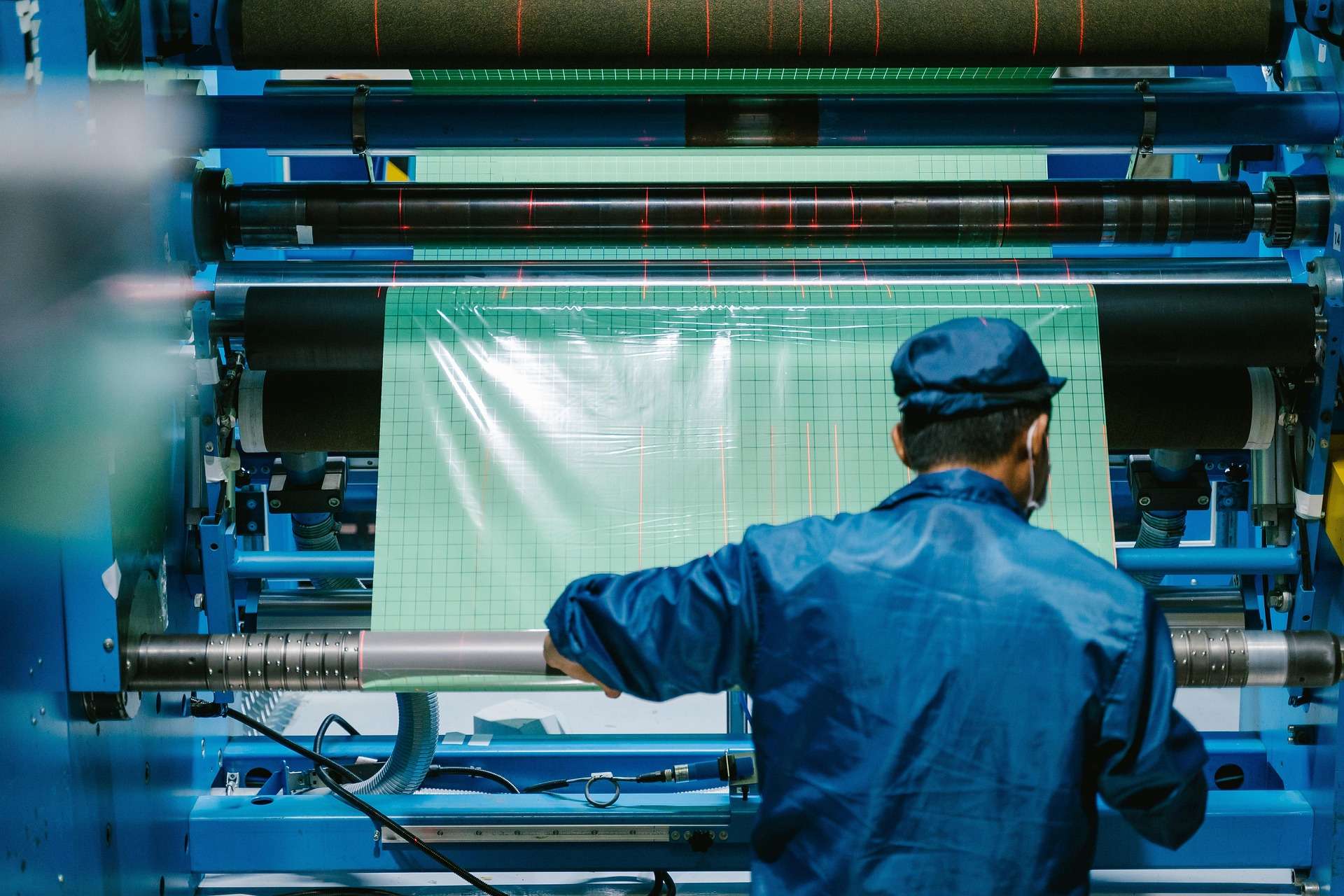
Image by wal_172619 from Pixabay