
项目介绍
In - Depth Research
我们揭露真相的方式
In today’s globalized world, the products we consume often involve an intricate network of suppliers, manufacturers, and shippers from all corners of the globe. This makes it challenging for consumers to see or hear from workers who produce the goods they purchase.
“Workers should be heard, and global consumers deserve transparency about the products they consume.”
CLW Mission
The Problem
Censorship, Access Barriers, and Institutional Silencing
Censorship, lack of access, and a host of institutional barriers widen the gap between consumers and workers, leaving us disconnected from the people who create the products we rely on. At China Labor Watch, we believe that workers should be heard, and global consumers deserve transparency about the products they consume.
We also envision a world where capital investments and production are conducted in sustainable ways that prioritize human and community wellbeing. To achieve this, knowledge is the first step.
With state-sanctioned mass surveillance and repression on the rise, our work prioritizes amplifying the voices of workers, whose struggles are increasingly silenced. Since 2000, we have built a network of like-minded partners and collaborators who work with us on investigations. Through this network, we identify violations, conduct thorough investigations, and work to prevent further harm — holding perpetrators accountable and ensuring they cease illegal or unethical practices.
Our investigations focus on Chinese-owned enterprises globally, as well as labor conditions inside China — wherever workers are at risk and their stories go untold.
How We Investigate
Three Investigative Tracks
CLW’s investigations span three distinct but complementary areas. Each track uses different methods suited to the context — from undercover placement inside factories to remote outreach with migrant workers abroad to multi-channel forced labor research.
01
Labor assessments conducted
Chinese Factories
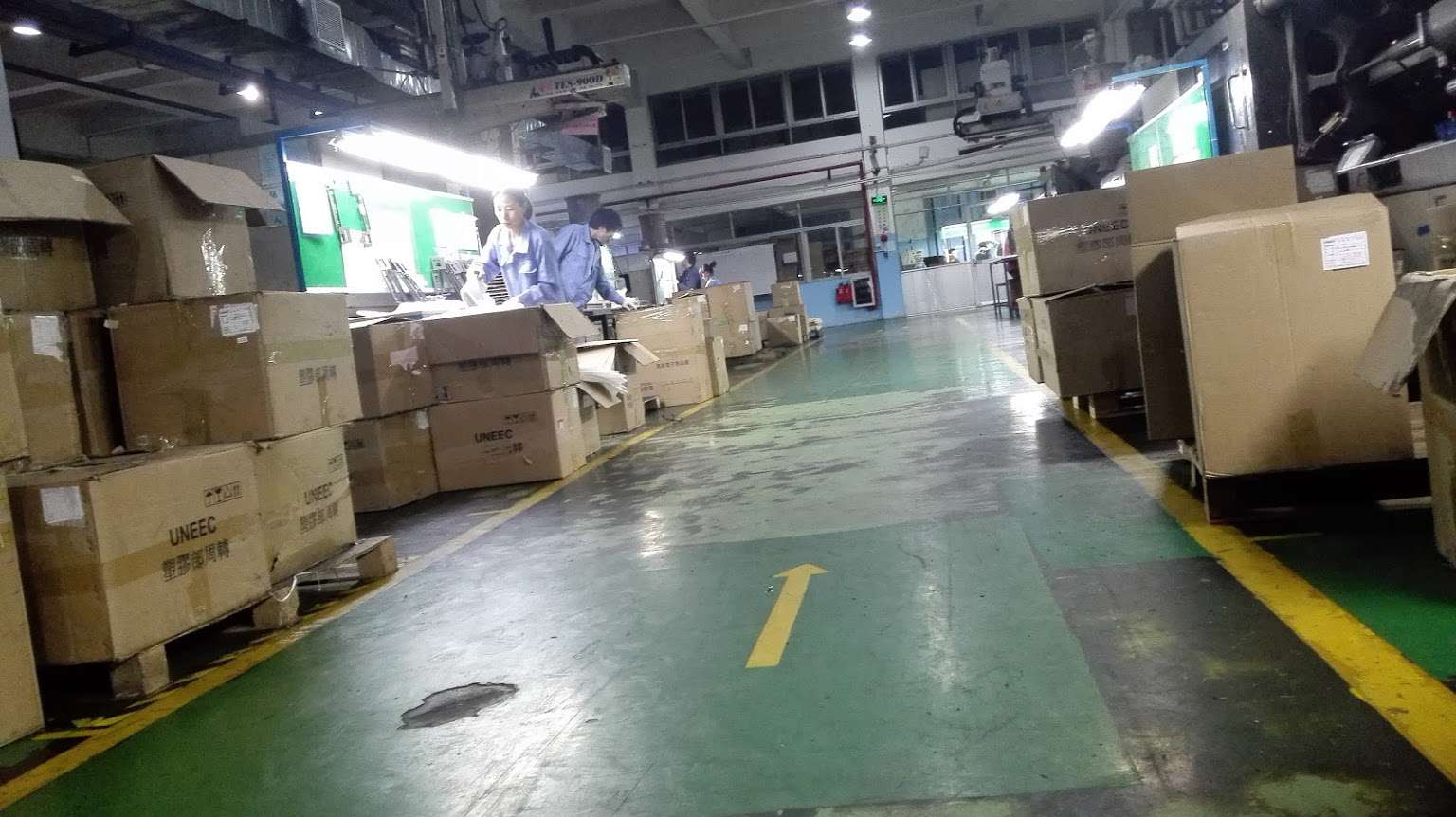
CLW has conducted over 500 labor-centered assessments in Chinese factories supplying multinational companies across industries — electronics, garment, toys, solar, and more. Investigators secure jobs through standard channels and document conditions over weeks or months, generating verifiable evidence of violations.
02
Reach since 2021
Global Reach
Since 2021, CLW has reached out to hundreds of migrant workers in manufacturing and infrastructure projects managed by Chinese firms across the globe — in Southeast Asia, Africa, South America, and beyond. These workers, often in remote locations, face unique vulnerabilities that standard factory audits cannot capture.
03
Approach
Forced Labor
CLW investigates forced labor and labor trafficking through multiple channels — direct worker outreach, desktop research, and field visits. Preventing forced labor requires a holistic understanding of the migrant worker journey — from community context and local legal frameworks to the factors contributing to vulnerability and the patterns and characteristics of labor violations.
Theory of Change
Research is a Pivotal Component of How We Drive Change
Accurate, locally-grounded knowledge doesn’t just document violations — it drives action by governments, businesses, and civil society, and gives workers the visibility they need to organize. Here’s how our research creates impact across three dimensions.
Inform Advocacy
Accurate, locally grounded information enables us to expose abuses and drive advocacy — focusing the attention of civil society, governments, businesses, and the public on documented violations and promoting practical, informed solutions. Our investigations have fed directly into U.S. congressional hearings, EU legislative consultations, and major international media coverage.
Aid Decision-Making & Enforcement
Knowledge is the basis of government, civil society, and business decisions. Worker-centered, locally grounded knowledge of labor conditions for marginalized communities informs conscientious and responsible decision-making — from due diligence assessments to regulatory enforcement actions under laws like the UFLPA and Section 307 of the U.S. Tariff Act.
Strengthen Worker Power
A key challenge to advancing labor rights is lack of visibility — especially for workers from historically marginalized communities in the Global South. Supplementing the global labor movement with community-based knowledge is essential to forming broad-based organizations and enabling collective action. When workers see themselves in our findings, they know they are not alone.